
The PR-SEO Integration Framework: Building Durable E-E-A-T in 2026
The PR-SEO Integration Framework: Building Durable E-E-A-T in 2026
In the "old" days of SEO, you could build authority with a few clever guest posts and a solid technical foundation. Those days are gone. In 2026, search engines—and the AI models that power them—are looking for Verified Brand Authority. They want to see that you aren't just saying you're an expert, but that the rest of the world says you're an expert.
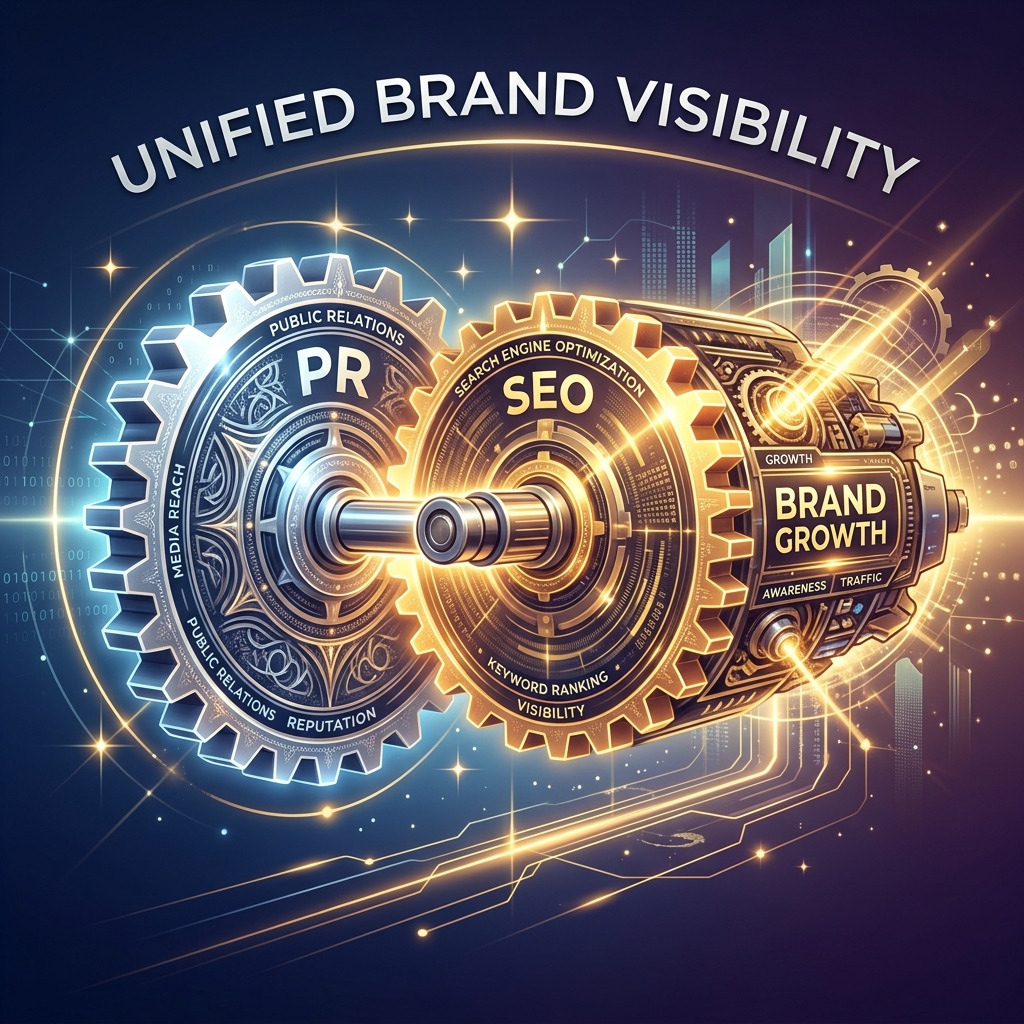
This is where the integration of Public Relations (PR) and Search Engine Optimization (SEO) becomes non-negotiable. PR builds the reputation; SEO ensures that reputation is discoverable. Together, they create a feedback loop that satisfies every layer of Google's E-E-A-T requirements.
As someone who has managed unified campaigns for Fortune 500s and scrappy startups alike, I can tell you: if your PR team isn't talking to your SEO team, you are wasting 50% of your budget.
The Core Objective: Creating a Unified "Authority Engine"
The objective of this framework is to align your communication strategy with your search strategy, ensuring every media mention, interview, and press release contributes to your long-term organic visibility.
[SEO STRATEGIST] - HUMAN-IN-THE-LOOP
Insert Personal Experience: Detail a case study where a "viral" PR moment failed to rank because the technical SEO wasn't in place to capture the sudden influx of search demand and backlinks.
Step-by-Step Actionable Guide: The Integration Blueprint
Step 1: Align Your "Entity Graph"
Both teams must agree on what the brand is.
- PR Task: Secure mentions in top-tier industry publications that define the brand’s niche.
- SEO Task: Ensure those publications are linking to the most relevant hub pages using natural, entity-focused anchor text.
- Unified Goal: Create a consistent message across the web that AI models can easily "cluster" into a specific topic of authority.
Step 2: The "News-to-Keywords" Pipeline
PR creates news; SEO creates sustainability.
- PR identifies a trending topic (e.g., a new industry regulation).
- SEO identifies the "Search Intent" around that topic (e.g., "how to comply with regulation X").
- Content team creates a "Source Piece" on the website.
- PR pitches the expert (you) as the source of truth for that topic, linking back to the source piece.
Step 3: Leveraging "Digital PR" for Link Equity
Traditional PR often forgets about the link. Digital PR prioritizes it.
- Data-Driven Pitching: Create original research or surveys (SEO value) and pitch the "surprising findings" to journalists (PR value).
- Reactive PR: Use tools like Connectively (formerly HARO) to provide expert quotes for trending stories. Ensure your SEO team has optimized the linked page for conversion.
[SEO STRATEGIST] - HUMAN-IN-THE-LOOP
Insert Practical Tips: Provide a "PR-to-SEO Checklist" for every external media appearance to ensure maximum link and mention value.
Comparison: Siloed Marketing vs. Integrated PR-SEO
| Feature | Siloed PR & SEO | Integrated PR-SEO Framework | | :--- | :--- | :--- | | Backlink Strategy | Random/Untargeted | Strategic/Page-Specific | | Message Consistency | Fragmented | Unified/Entity-Focused | | Resource Efficiency | Duplicated Efforts | Shared Content & Research | | Crisis Management | SEO is reactive | SEO supports PR recovery | | Measurement | Separate Dashboards | Unified ROI & Authority Tracking |
Hidden Drawbacks of Integration
The biggest challenge is the "Clash of Cultures." PR teams often focus on "Brand Tone" while SEO teams focus on "Data & Keywords." The solution is a Unified KPI Dashboard where both teams are rewarded for "Authoritative Reach"—a metric that combines media mentions with organic rank improvements.
[SEO STRATEGIST] - HUMAN-IN-THE-LOOP
Insert Expert Judgment: Discuss when to prioritize "Brand Volume" (PR) over "Keyword Specificity" (SEO) in high-competition environments.
Data-Driven Insights: The 2026 Authority Paradox
- The "Unlinked Mention" Value: In 2026, Google’s algorithm successfully treats unlinked brand mentions in high-authority domains as "Implied Links," passing significant E-E-A-T value even without a direct URL.
- The PR Velocity Signal: Sites that receive a "spike" in authoritative brand mentions (PR) followed by a steady increase in branded search volume see a 25% faster ranking improvement for competitive non-branded terms.
- The Sentiment Factor: AI search models now weight "Brand Sentiment" across the web. Negative PR in one major outlet can de-rank your technical SEO pages for "Trust-based" queries.
Common Mistakes to Avoid
- Ignoring the Long-Tail in PR: Don't just chase the New York Times. A mention in a highly niche "trade rag" can carry more topical authority for specific keywords.
- Technical SEO Neglect: Don't send a PR wave to a site with a 5-second load time. You’ll kill your conversion and your "Search Experience" (SXO) signals.
- Failing to Repurpose: Every PR "win" should be turned into an SEO-optimized blog post, a LinkedIn carousel, and a newsletter highlight.
Conclusion & Next Steps
Integration isn't a luxury; it's a survival strategy. In 2026, the brand with the most "verified" presence across the web wins the search battle.
Next Steps for Your Integration Strategy:
- Immediate: Hold a "Silo-Busting" meeting between your PR and SEO leads.
- This Month: Launch one "Data-Driven" content piece designed for both journalist pitches and keyword ranking.
- Quarterly: Audit your "Brand Mention" footprint to ensure consistency and sentiment alignment.
Article Schema
{
  "@context": "https://schema.org",
  "@type": "BlogPosting",
  "headline": "The PR-SEO Integration Framework: Building Durable E-E-A-T in 2026",
  "image": "/images/blog/pr-seo-integration-2026.png",
  "author": {
    "@type": "Person",
    "name": "IMGlory SEO Expert"
  },
  "publisher": {
    "@type": "Organization",
    "name": "IMGlory",
    "logo": {
      "@type": "ImageObject",
      "url": "https://imglory.org/logo.png"
    }
  },
  "datePublished": "2026-05-04"
}